
The thrill of risk and reward
The allure of gambling often lies in its fundamental nature: the balance of risk and reward. For many, the excitement of placing a bet and the potential for winning can trigger powerful emotional responses. This psychological phenomenon is rooted in the brain’s reward system, which releases dopamine, a neurotransmitter associated with pleasure and reward, when we anticipate a win. Consequently, the thrill associated with gambling can lead to heightened feelings of excitement and joy, especially when considering the latest options like payid pokies australia , making people return for more. The mere act of betting can become a source of motivation, as the potential for a win becomes intertwined with the excitement of the game.
Moreover, the unpredictable nature of games in casinos can stimulate adrenaline, further enhancing the overall experience. The uncertainty of outcomes creates a sense of adventure, as every spin of a slot machine or shuffle of a card can bring about a life-changing moment. This unpredictability, coupled with the potential for financial gain, creates a magnetic pull that draws players into the world of casinos where the stakes are high, and the rewards are tantalizingly close. The excitement often overshadows the risk, making the prospect of winning feel exhilarating and worth the gamble.
On the psychological front, the concept of loss aversion also plays a critical role in gambling behavior. Research indicates that people experience losses more intensely than gains, which can lead to a desire to chase losses. This can create a cycle where individuals continue to gamble in hopes of reversing their fortunes, further enhancing the casino’s appeal as a place to engage in this high-stakes game of chance. The desire to recover losses can lead players deeper into the casino experience, where the thrill of potential recovery often outweighs the reality of risk.
The social aspect of gambling
Casinos are not just about the games; they serve as social hubs where individuals gather to share experiences and engage with one another. The environment in which gambling takes place often fosters a sense of community, as players cheer each other on or commiserate after a loss. This social interaction enhances the overall experience, making it more enjoyable and engaging. People often visit casinos not only for the games but also for the camaraderie and the shared thrill of the moment. The collective energy in a bustling casino can amplify excitement and create lasting memories among friends and family.
Additionally, the spectacle of casinos adds to the social allure. Vibrant lights, sounds of coins clinking, and the cheers from nearby tables create an atmosphere that is both exhilarating and inviting. This ambiance can encourage individuals to interact more than they might in quieter settings, such as private game nights. The combination of social connectivity and the electrifying atmosphere makes casinos a popular destination for both seasoned gamblers and novices alike. Many visitors are drawn to the atmosphere, seeking not only the chance to win but also the opportunity to socialize and connect with others.
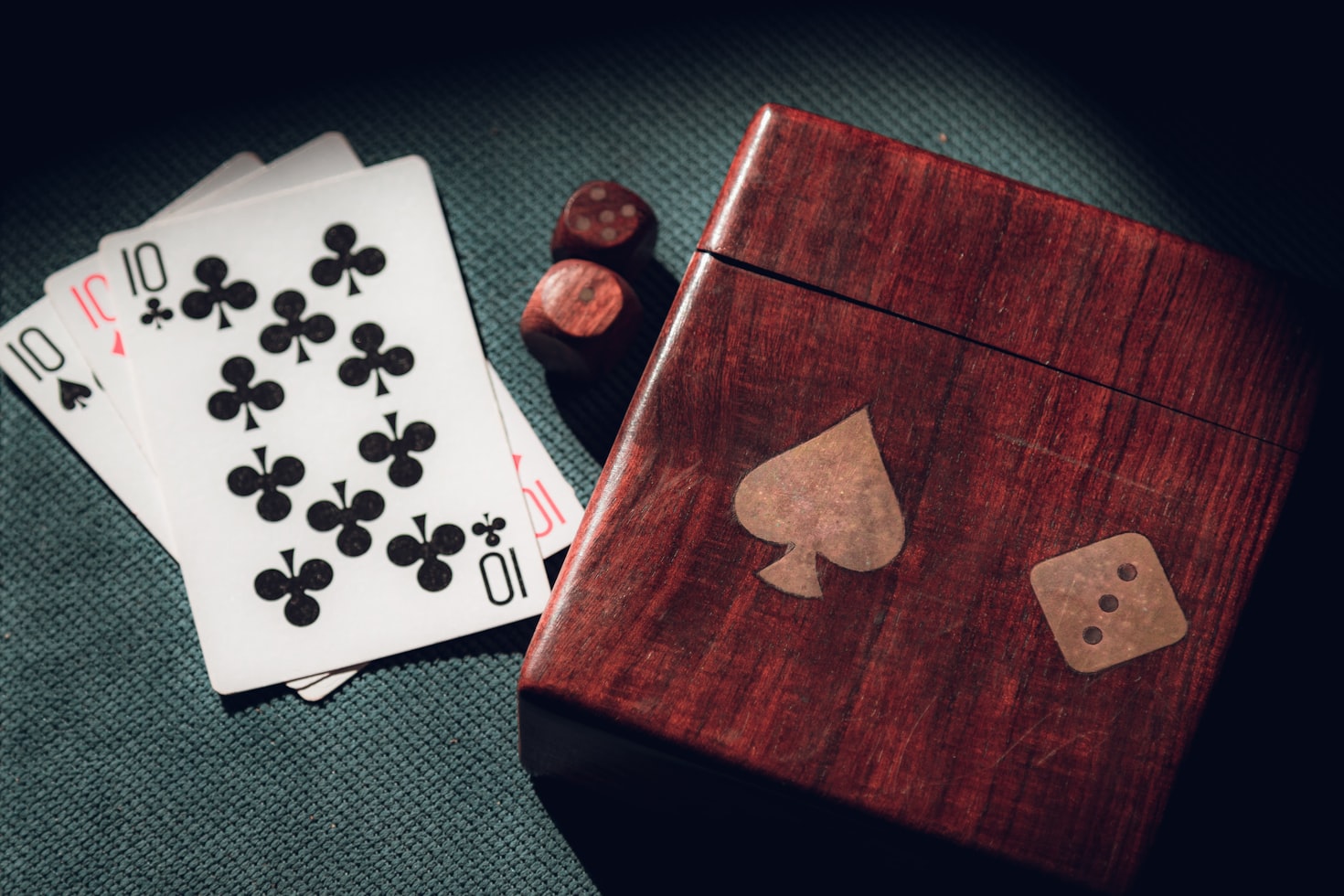
Furthermore, the social bonds that develop in these environments can enhance the experience. Friends and family often visit casinos together, making it a shared adventure. This social aspect can diminish the isolation that some individuals may feel in their everyday lives, as the casino becomes a venue for socializing, sharing victories and losses, and creating memories that go beyond mere gambling. Celebrating wins together or comforting each other after losses can strengthen relationships, making the casino experience one of shared enjoyment and emotional connection.
The escape from reality
For many individuals, entering a casino can act as an escape from the daily grind of life. The immersive environment, filled with vibrant colors and stimulating sounds, provides a stark contrast to the routine and responsibilities that people face. In this way, gambling serves as a temporary retreat, allowing individuals to leave their concerns behind and enter a realm where the focus shifts solely to enjoyment and potential winnings. This escape can be particularly appealing to those facing stress or emotional challenges, offering a break from the pressures of everyday life.
Additionally, the fantasy aspect of casinos invites players to indulge in dreams of wealth and success. The glimmering jackpot signs and celebratory atmosphere can entice individuals to envision a life of luxury that is just a bet away. This sense of possibility can be intoxicating, as players imagine what their winnings could mean for their lives. The casino thus becomes a playground for their aspirations, offering a momentary escape from reality while simultaneously igniting the imagination. Such moments can allow individuals to fantasize about a brighter future, making the experience feel more rewarding.
However, this desire to escape can have darker implications as well. Some individuals may use gambling as a coping mechanism to deal with underlying issues such as anxiety or depression. The environment’s ability to distract from personal problems can lead to an unhealthy reliance on gambling, complicating the relationship many have with casinos. Understanding this duality—where casinos serve as both a refuge and a potential pitfall—sheds light on why many are drawn to these establishments. It’s essential to recognize the fine line between healthy escapism and detrimental behavior, ensuring that gambling remains a form of entertainment rather than a means of avoidance.
The influence of marketing and design
Casinos are meticulously designed environments that aim to encourage gambling behavior. From the layout to the décor, every element is carefully curated to maximize player engagement. The absence of windows and clocks creates a sense of timelessness, making it difficult for individuals to track how long they have been playing. This design choice taps into the psychology of immersion, allowing players to lose themselves in the experience without the distractions of the outside world. The ambiance is crafted to keep players inside, engaged, and spending more time on the gaming floor.
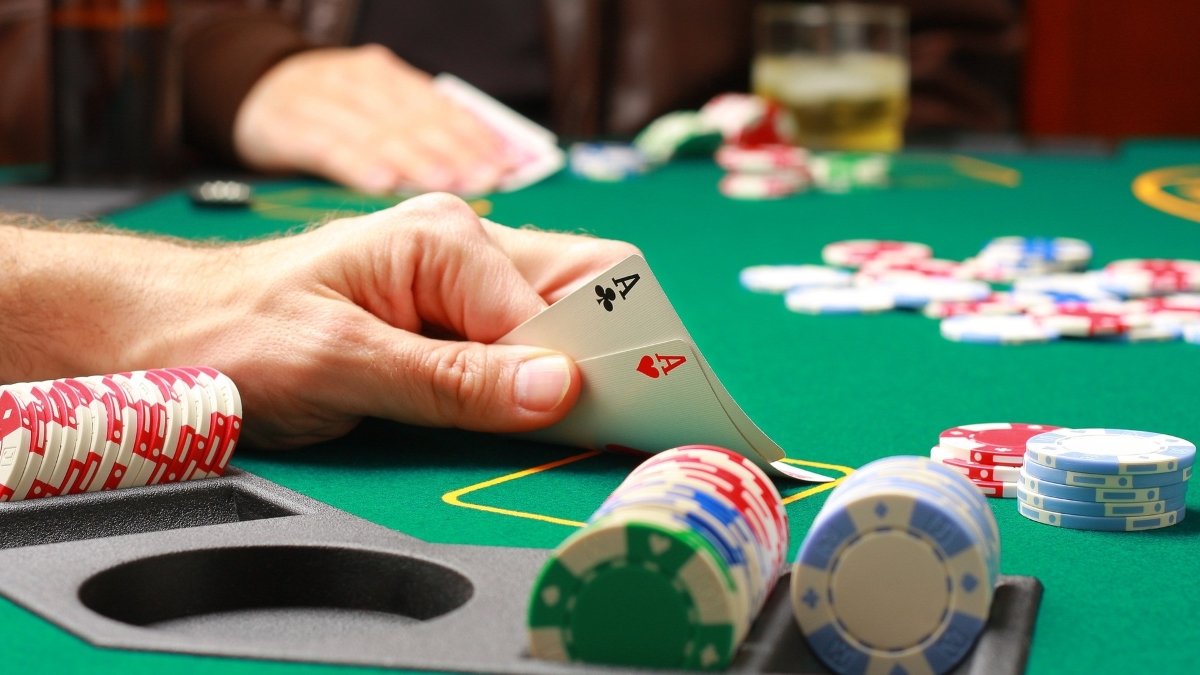
Furthermore, the strategic placement of high-stakes games near the casino’s entrance or the use of enticing promotional offers can drive players to engage in more gambling. Marketing tactics such as loyalty programs or complimentary services can create a sense of belonging and reward among patrons. This not only reinforces customer loyalty but also deepens the psychological connection players have with the establishment. These marketing strategies ensure players feel valued, encouraging them to return for more experiences that align with their desires for both social connection and potential winnings.
The use of sensory stimuli, such as jingles from slot machines celebrating wins or the smell of free drinks, further enhances the gambling experience. These sensory cues can trigger emotional responses that encourage players to continue gambling, as they associate these experiences with fun and excitement. Altogether, the careful orchestration of marketing and design elements in casinos serves to amplify their appeal, making them a fascinating study in the psychology of attraction and engagement. By creating an immersive and rewarding environment, casinos effectively capture the attention and loyalty of their patrons.
Your guide to understanding gambling behavior
Understanding the psychology of gambling is vital for both players and those who wish to engage with this complex behavior responsibly. Awareness of the emotional triggers and social dynamics at play can empower individuals to make informed decisions regarding their gambling activities. Finding a balance between enjoyment and responsible gaming practices ensures a positive experience without falling into detrimental patterns. This understanding can lead to healthier relationships with gambling and a more mindful approach to entertainment.
Moreover, resources are available for those seeking more information on gambling and its effects. Educational platforms and counseling services can provide insights into the psychological aspects of gambling, helping individuals navigate their experiences in casinos more thoughtfully. Whether for entertainment or as a social outing, being well-informed can enhance the enjoyment of the gambling experience while promoting well-being. It’s crucial for players to recognize their limits and seek help if gambling begins to interfere with their lives.
As the world of casinos continues to evolve, staying aware of the underlying psychology can enrich your understanding of why these establishments hold such a captivating allure. Embracing responsible gaming practices, exploring the social engagements that casinos offer, and recognizing the escape they provide can lead to a deeper appreciation of gambling culture. Ultimately, understanding the motivations behind gambling can foster a healthier interaction with the world of casinos, allowing individuals to enjoy the thrill while maintaining control over their gaming experiences.